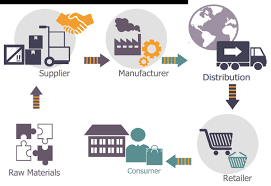
Food distribution and logistics play a critical role in modern supply chains, ensuring that food products move efficiently from producers to consumers while maintaining quality, safety, and availability. As global demand for food continues to rise, supply chains are becoming more complex, requiring smarter coordination, advanced technology, and sustainable practices to meet market expectations.
In today’s interconnected economy, food logistics is no longer limited to transportation alone. It involves inventory management, temperature control, information flow, and strategic planning to deliver the right products at the right time.
The Role of Food Distribution and Logistics in Modern Supply Chains
Modern food supply chains depend on efficient distribution systems to preserve product quality and minimize losses. Perishable goods such as fruits, vegetables, dairy, and meat require precise handling throughout the entire journey. Cold chain logistics, for example, ensures that temperature-sensitive products remain within safe ranges from production to final delivery, reducing spoilage and protecting consumer health.
Beyond quality control, logistics also directly impacts cost efficiency. Well-designed distribution networks help reduce transportation time, fuel consumption, and storage expenses. By optimizing warehouse operations and delivery routes, companies can lower operational costs while maintaining competitive pricing for consumers.
Another essential function of food distribution is balancing supply and demand. Consumer preferences can change rapidly due to trends, seasons, or economic factors. Accurate demand forecasting and real-time inventory visibility allow supply chain operators to adjust production and distribution plans quickly, preventing overstocking, shortages, and food waste.

Challenges and Innovations in Food Logistics Management
Despite its importance, food distribution faces several challenges in modern supply chains. One major issue is the limited shelf life of many food products. Delays caused by traffic, infrastructure limitations, or poor coordination can lead to significant losses. Additionally, rising fuel prices and labor costs place further pressure on logistics operations.
Sustainability has also become a key concern. Traditional logistics activities contribute to carbon emissions and environmental impact. As a result, companies are increasingly adopting greener solutions, such as energy-efficient warehouses, optimized delivery schedules, and alternative fuel vehicles to reduce their environmental footprint.
Technological innovation is transforming how food logistics is managed. Digital supply chain platforms, real-time tracking systems, and data analytics enable better decision-making and transparency across the distribution process. Automation in warehouses improves speed and accuracy, while smart sensors help monitor product conditions during storage and transportation.
Collaboration across the supply chain is another growing trend. Producers, distributors, and retailers are sharing data and coordinating strategies to build more resilient and responsive distribution networks. This integrated approach strengthens the overall supply chain and improves the ability to adapt to disruptions.
Leave a Reply